
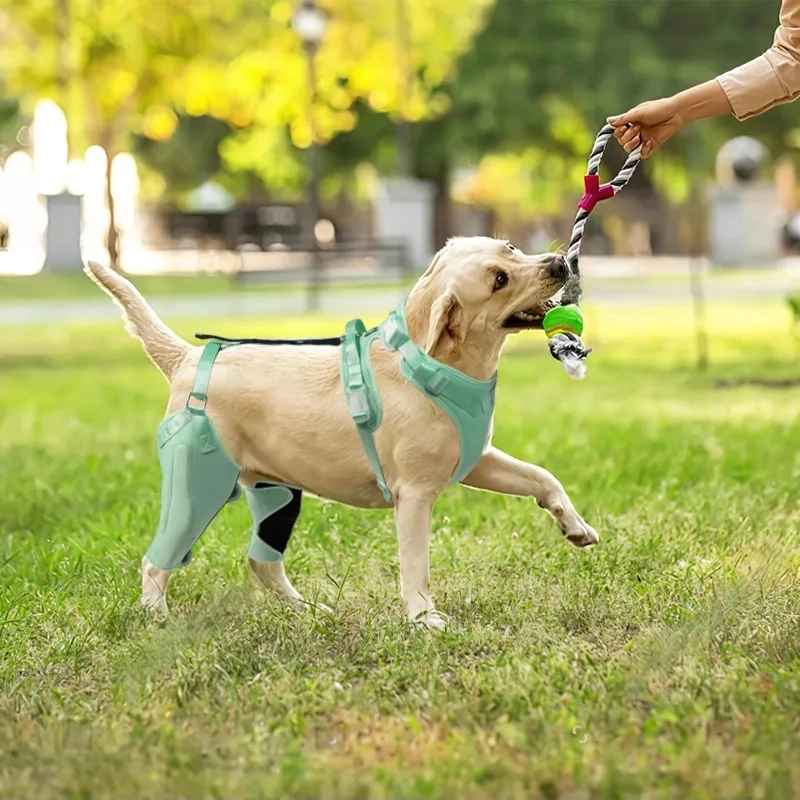
Canine cranial cruciate ligament (CCL) injuries are common in dogs and can be quite debilitating. Treatment options range from conservative management to surgical intervention. The choice of treatment depends on the severity of the injury, the dog's size, age, activity level, and overall health. Here are the primary approaches to treating CCL injuries in dogs:
1. Conservative Management
This approach is more suitable for small dogs (under 15 kg) or dogs with partial tears. It includes:
- Rest and Activity Restriction: Limiting the dog’s activity to prevent further injury. This often means strict crate rest or limited movement on a leash for several weeks.
- Physical Therapy: Rehabilitation exercises to improve strength and flexibility.
- Weight Management: Keeping the dog at an ideal weight to reduce stress on the joint.
- Pain Management: Use of non-steroidal anti-inflammatory drugs (NSAIDs) or other pain relief medications prescribed by a veterinarian.
- Joint Supplements: Glucosamine and chondroitin supplements to support joint health.
2. Surgical Options
Surgery is often recommended for larger dogs or those with complete tears. The main surgical procedures include:
Lateral Suture Technique (Extracapsular Repair)
- This is suitable for small to medium-sized dogs.
- A strong suture is placed outside the joint to stabilize the knee while scar tissue forms to provide long-term stability.
Tibial Plateau Leveling Osteotomy (TPLO)
- Often recommended for larger, more active dogs.
- The procedure involves cutting and rotating the tibial plateau to change the biomechanics of the knee, reducing the need for the CCL.
Tibial Tuberosity Advancement (TTA)
- Another option for larger, active dogs.
- It involves repositioning the tibial tuberosity to stabilize the joint.
3. Post-Operative Care
- Rest and Activity Restriction: Similar to conservative management, but with a stricter protocol post-surgery.
- Physical Therapy: Important to regain strength and mobility.
- Pain Management: Ongoing medication to manage pain and inflammation.
- Regular Check-Ups: Monitoring recovery through follow-up veterinary visits.
4. Rehabilitation
- Hydrotherapy: Swimming or underwater treadmill exercises can help improve strength and mobility with less stress on the joint.
- Laser Therapy: To reduce pain and inflammation and promote healing.
- Massage and Stretching: To maintain flexibility and reduce muscle tension.
5. Long-term Management
- Ongoing Physical Therapy: To maintain joint function.
- Weight Management: Continual focus on keeping the dog at an ideal weight.
- Regular Exercise: Moderate, controlled exercise to keep the muscles strong and the joint flexible.
Each dog is different, and the best treatment plan should be tailored to the individual dog's needs and circumstances. Consulting with a veterinarian or a veterinary orthopedic specialist is crucial to determine the most appropriate treatment plan. Also, our injuries recovery braces can solve joint problem. Try our custom dog braces ,specially Personalized dog leg brace for torn acl and Wholesale canine ankle brace can support the legs of dogs and alleviate the pressure on joints.
0 Comments