
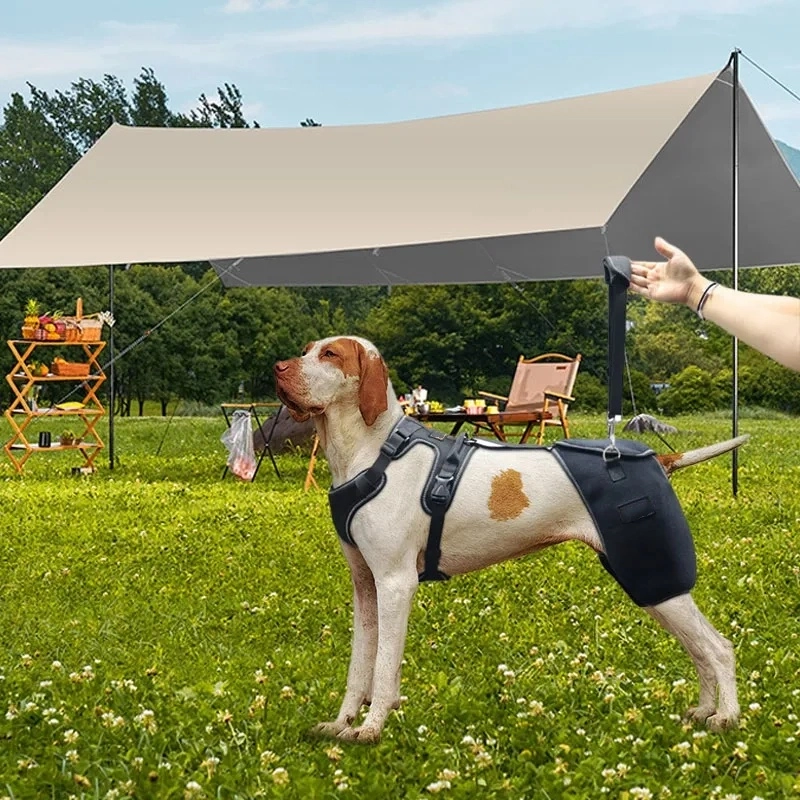
Maintaining dog joint health is crucial to ensuring your pet's overall well-being and mobility. Dogs, like humans, can suffer from a variety of joint problems, which can lead to pain, reduced mobility, and a lower quality of life. Understanding the common joint issues and how to promote joint health can help prevent or manage these conditions effectively.
Common Joint Problems in Dogs
-
Osteoarthritis (Degenerative Joint Disease)
- A chronic condition characterized by the breakdown of joint cartilage, leading to pain and reduced mobility.
- Common in older dogs but can also affect younger dogs, especially those with joint injuries or genetic predispositions.
-
Hip Dysplasia
- A genetic condition where the hip joint does not develop properly, leading to instability and arthritis.
- More common in large breeds like German Shepherds, Labradors, and Golden Retrievers.
-
Elbow Dysplasia
- A developmental condition affecting the elbow joint, causing pain and lameness.
- Common in breeds such as Labradors, Golden Retrievers, and Rottweilers.
-
Luxating Patella
- A condition where the kneecap (patella) dislocates or moves out of its normal position.
- Often seen in small breeds like Pomeranians, Chihuahuas, and Miniature Poodles.
-
Cranial Cruciate Ligament (CCL) Injuries
- Similar to ACL injuries in humans, these affect the knee joint, leading to instability and pain.
- Can occur in any breed but is more common in active or overweight dogs.
Promoting Joint Health in Dogs
1. Proper Nutrition
- Balanced Diet: Ensure your dog’s diet is well-balanced with the right nutrients.
- Joint Supplements: Glucosamine, chondroitin sulfate, and omega-3 fatty acids can support joint health and reduce inflammation.
2. Weight Management
- Ideal Weight: Keeping your dog at a healthy weight reduces stress on the joints.
- Regular Exercise: Provide regular, low-impact exercise like walking or swimming to keep muscles strong and joints flexible.
3. Regular Veterinary Check-Ups
- Early Detection: Regular vet visits can help catch joint issues early, allowing for more effective management.
- Preventive Care: Your vet can recommend specific preventive measures based on your dog's breed, age, and health status.
4. Exercise and Physical Activity
- Moderate Exercise: Engage in consistent, moderate exercise to maintain joint and muscle health.
- Avoid High-Impact Activities: Activities like jumping or running on hard surfaces can stress joints, especially in predisposed breeds.
5. Comfortable Living Environment
- Soft Bedding: Provide orthopedic or memory foam beds to cushion joints during rest.
- Ramps and Steps: Use ramps or steps to help your dog avoid jumping on and off furniture or in and out of cars.
Managing Joint Problems
1. Medications
- NSAIDs: Non-steroidal anti-inflammatory drugs to reduce pain and inflammation.
- Pain Relief: Other medications as prescribed by your vet.
2. Physical Therapy
- Hydrotherapy: Water-based exercises to improve strength without stressing joints.
- Laser Therapy: Low-level laser therapy to reduce pain and inflammation.
3. Surgical Interventions
- Joint Surgery: In severe cases, surgical options like joint replacement or corrective surgery may be necessary.
4. Alternative Therapies
- Acupuncture: May help reduce pain and improve joint function.
- Massage: Regular massages to improve circulation and reduce muscle tension.
Conclusion
Maintaining joint health in dogs involves a combination of proper nutrition, regular exercise, weight management, and preventive veterinary care. Understanding common joint problems and their management can help you provide the best care for your dog's joint health, ensuring they live a comfortable and active life. Always consult your veterinarian for personalized advice and treatment options tailored to your dog's specific needs. Choose our custom dog braces, prevent joint injuries and stabilize the injuries joint. Especially Personalized dog elbow protector and bulk dog hip dysplasia harness
0 Comments