
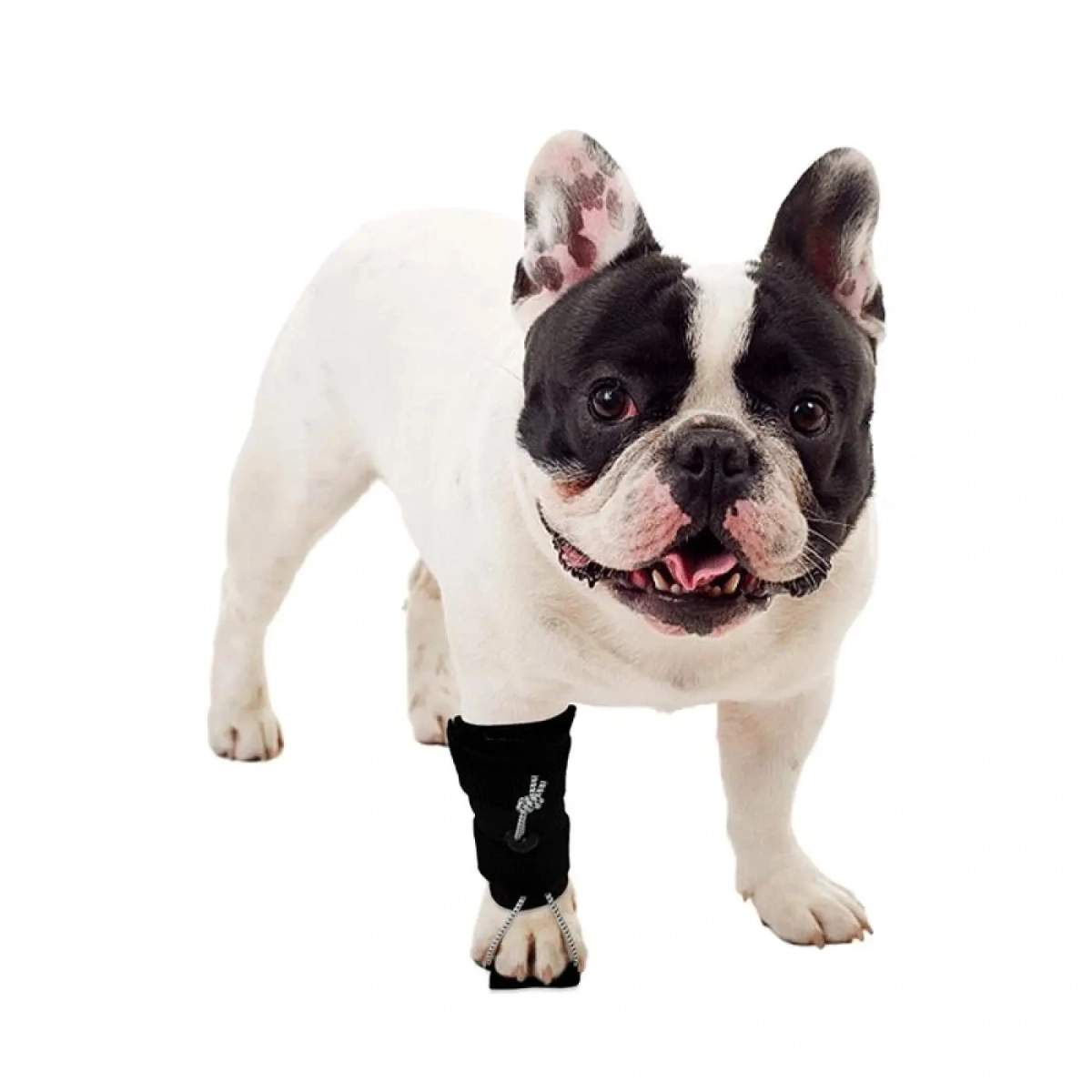
Pit Bulls, like many other breeds, can be prone to certain orthopedic conditions. Due to their muscular build and active nature, these conditions can significantly impact their quality of life if not properly managed. Here are some of the most common orthopedic conditions seen in Pit Bulls:
1. Hip Dysplasia
- Description: A genetic condition where the hip joint does not fit properly into the hip socket, leading to joint instability and, eventually, arthritis.
- Symptoms: Lameness, difficulty rising, reluctance to run or jump, decreased activity, and pain.
- Management: Weight management, joint supplements, physical therapy, and in severe cases, surgical intervention such as a total hip replacement.
2. Cranial Cruciate Ligament (CCL) Injuries
- Description: Similar to ACL injuries in humans, this involves the rupture or tear of the cranial cruciate ligament in the knee, leading to joint instability.
- Symptoms: Sudden lameness in a hind leg, difficulty bearing weight, swelling, and pain.
- Management: Surgical options such as TPLO (Tibial Plateau Leveling Osteotomy) or TTA (Tibial Tuberosity Advancement), alongside physical therapy and pain management.
3. Elbow Dysplasia
- Description: A developmental condition affecting the elbow joint, which can lead to arthritis and chronic pain.
- Symptoms: Lameness in the front legs, stiffness, swelling, and reduced range of motion.
- Management: Weight control, anti-inflammatory medications, physical therapy, and in some cases, surgery to remove bone fragments or correct joint abnormalities.
4. Luxating Patella
- Description: A condition where the kneecap dislocates or moves out of its normal position, which can cause intermittent lameness and discomfort.
- Symptoms: Intermittent skipping or hopping on a hind leg, occasional lameness, and reluctance to run or jump.
- Management: Mild cases may be managed with physical therapy and weight control, while severe cases may require surgical intervention to correct the alignment of the kneecap.
5. Osteoarthritis
- Description: A degenerative joint disease that results in the breakdown of joint cartilage, leading to pain and reduced mobility.
- Symptoms: Stiffness, lameness, decreased activity, reluctance to climb stairs or jump, and pain.
- Management: Joint supplements, weight management, NSAIDs for pain relief, physical therapy, and alternative therapies such as acupuncture or laser therapy.
6. Intervertebral Disc Disease (IVDD)
- Description: A condition where the discs between the vertebrae of the spine deteriorate, leading to herniation or bulging that can compress the spinal cord.
- Symptoms: Pain, weakness, difficulty walking, and in severe cases, paralysis.
- Management: Conservative treatments include rest, pain management, and physical therapy. Severe cases might require surgical intervention to relieve spinal cord compression.
Prevention and Management Strategies
-
Weight Management
- Maintaining an ideal weight reduces stress on joints and helps prevent the progression of orthopedic conditions.
-
Regular Exercise
- Regular, low-impact exercise helps maintain muscle mass and joint flexibility. Avoid high-impact activities that can exacerbate joint problems.
-
Balanced Diet
- Feeding a high-quality diet with appropriate nutrients supports overall health and can help maintain a healthy weight.
-
Joint Supplements
- Supplements containing glucosamine, chondroitin, and omega-3 fatty acids can support joint health and reduce inflammation.
-
Routine Veterinary Check-Ups
- Regular vet visits allow for early detection and management of orthopedic issues, improving outcomes and quality of life.
-
Comfortable Living Environment
- Providing a comfortable bed, avoiding slippery floors, and using ramps instead of stairs can help reduce strain on your dog's joints.
By understanding these common orthopedic conditions and implementing preventive and management strategies, you can help ensure that your Pit Bull remains healthy, active, and comfortable throughout their life. Choose our custom dog leg brace to prevent joint injuries and support after injuries. Specially Custom carpal hyperextension dog brace and Wholesale canine ankle brace
0 Comments